Wholesale Electric Fans for Uzbekistan
Wholesale customers usually look first at price bands, shipping-carton identification and the prospect of repeat supply. Similar model names, unclear carton graphics or complicated colour codes increase picking errors in a warehouse. Every SKU should have a clearly distinguishable model, colour and carton number, while the carton quantity should suit the way downstream customers normally buy stock.
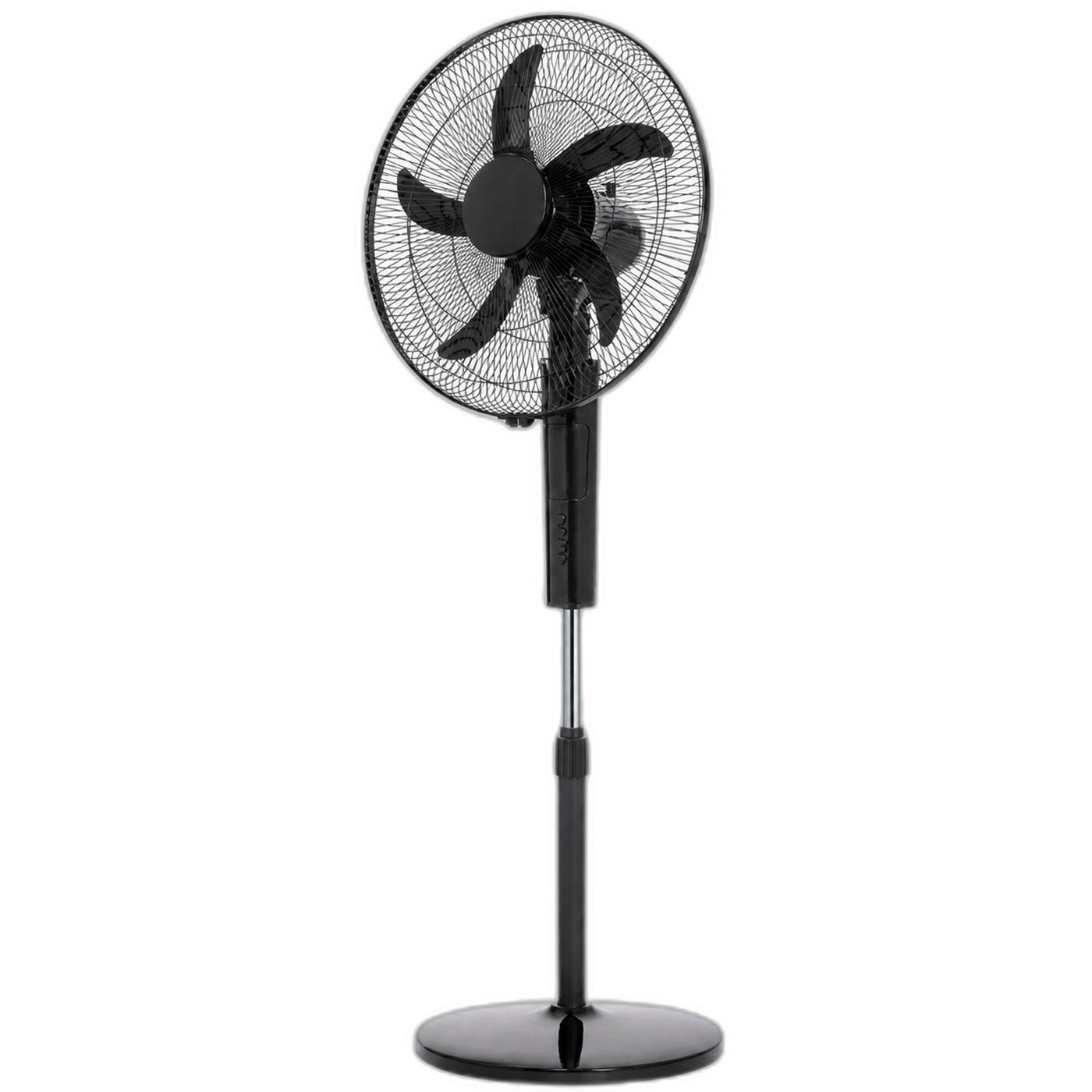
A basic model does not need to be loaded with remote control, display and multiple operating modes, but its base, column, grille and switches must be dependable. Dealers often reorder the products that are easiest to price and explain, generate fewer returns and use readily identifiable parts—not necessarily the models with the longest function list.
Shoppers in a physical store press controls, adjust height, tilt the fan head and compare speed settings. Switch feel, column locking, the tilt joint and base stability can directly influence the purchase decision. Reducing weight may lower freight cost, but an excessively light display unit can feel unstable on the shop floor.
A store range should show clear steps in value. Entry models can emphasise simple, durable construction; core models may improve appearance and operating experience; higher tiers need a visible reason to upgrade, such as remote control, a timer or more precise speed options. If consumers cannot perceive the difference between adjacent models, the additional SKU may not justify its display space and inventory.
Online sales cannot rely on a salesperson’s explanation. Listed dimensions, speed settings, cord length, assembly method and included accessories must match the delivered unit. A retail box moving through parcel distribution needs more attention to corners, internal cushioning and part restraint than cartons handled as a full truckload.
Returns do not always indicate a complete product failure. Difficult assembly, an unexpected size or operating sound that differs from the description may be enough. Clear installation diagrams, images that show realistic scale and consistent product specifications can resolve some of these misunderstandings before an order is dispatched to the consumer.
From the wholesaler’s perspective, check carton identification and full-carton handling. From the store shopper’s perspective, operate the display unit repeatedly. From the online buyer’s perspective, open the box and assemble the product without additional help. Each viewpoint exposes a different group of problems.
The sample should also run continuously while speeds and oscillation are changed. Observe blade and grille alignment, head vibration, unusual oscillation noise, cord restraint and motor temperature rise under actual operating conditions. After dismantling and repacking the fan, assess whether an ordinary consumer could return every part to the intended position.