Electric Fans vs Evaporative Air Coolers for Tajikistan
The first route is basic air movement, using table fans and conventional pedestal fans for price-sensitive channels. The second upgrades the fan experience through more stable construction, remote control, timers or finer speed choices. The third introduces evaporative cooling for consumers whose environment is suitable and who accept the need for water and maintenance.
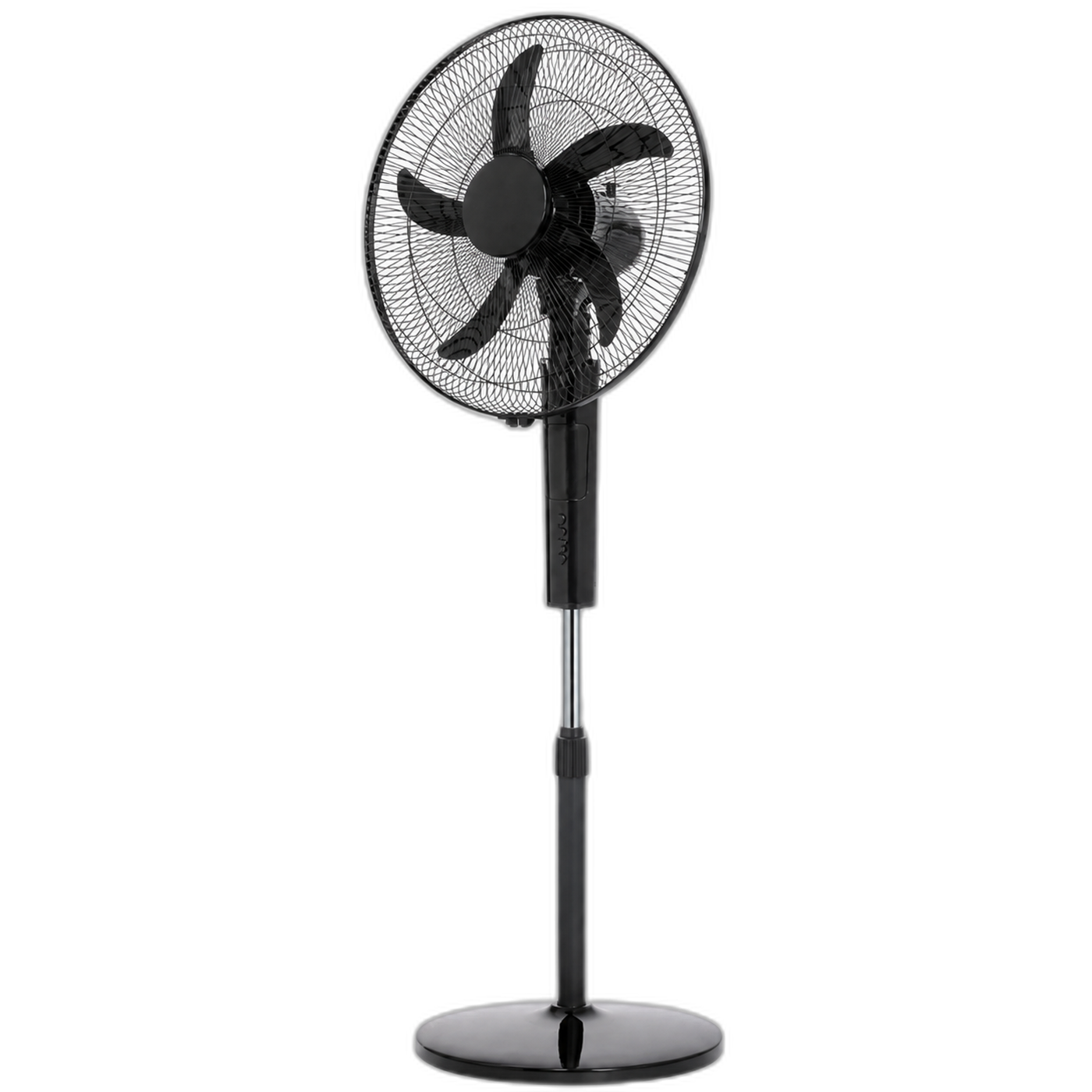
Each price step needs a clear reason. If an upper-tier fan and an entry air cooler are similarly priced, the channel must explain their different uses. Without that distinction, consumers may compare only physical size and form the wrong performance expectation.
Air-cooler performance is affected by humidity and ventilation. Sales materials should explain evaporation, water requirements and the suitable environment instead of using air-conditioner language. Experiences can differ between an open shop, a ventilated room and an enclosed humid space. A store sample should demonstrate pump control, airflow and oscillation rather than remain a static display.
Electric fans also need defined roles. A pedestal fan offers broader air distribution and height adjustment, while a table fan suits a compact space. The meaningful differences come from perceived airflow, stability and operation, not blade diameter alone.
Fan testing concentrates on speed settings, vibration, operating sound, oscillation, the column and the base. Observing the head after continuous operation and assembling the product several times can expose structural issues that a short demonstration misses.
An evaporative air cooler also needs a complete water-use cycle: filling, operation through the cooling pad, movement with a full tank, low-water behaviour, drainage, cleaning and drying. A larger tank places greater real loads on casters and handles. Even wetting of the cooling pad and access to internal cleaning areas influence long-term use.
The degree of fan disassembly affects both package volume and consumer assembly. Air coolers generally occupy larger cartons and need compression protection for grilles, tanks and control areas. An order allocated only by purchase value may exhaust vehicle space early. The SKU plan should calculate cartons, volume, weight and cargo value together.
External fan accessories are generally easier to identify in after-sales work. An air cooler adds a pump, cooling pad, tank and drainage parts. The more limited the importer’s repair and spare-parts capacity, the more important it is to choose clear, accessible air-cooler structures and keep the test quantity controlled.