Wholesale Evaporative Air Coolers for Pakistan
An evaporative air cooler uses water evaporation to change the feel of the delivered air. Relatively dry conditions and adequate ventilation generally support evaporation. This working principle differs from compressor-based air conditioning. Store explanations and product pages should cover ventilation, filling, cleaning and suitable spaces so consumers do not expect air-conditioner-style temperature control from the word “cooler” alone.
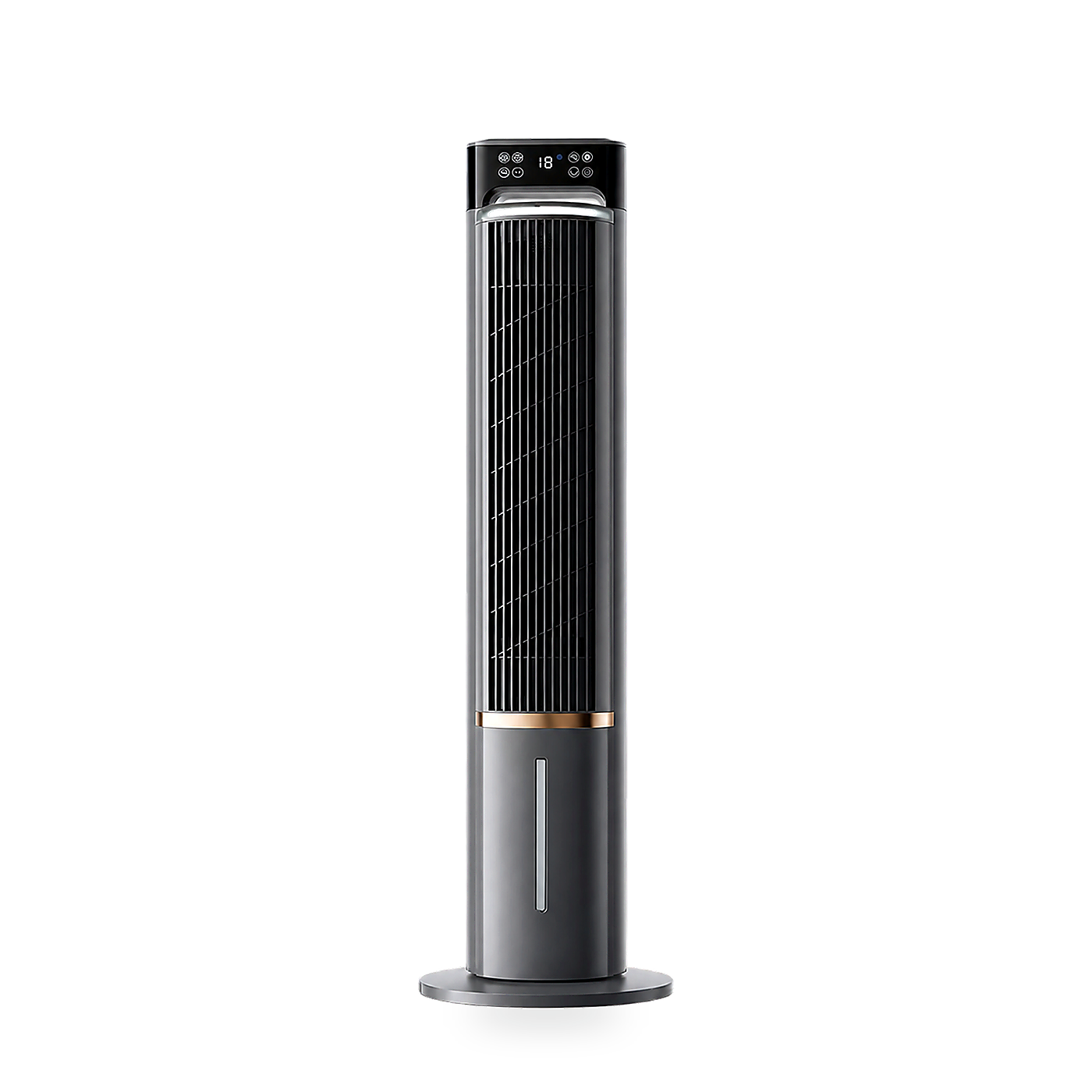
Temperature and humidity vary across Pakistan by region and season. Importers can define test conditions around the target sales cities instead of relying on one nationwide “coverage area.” The same model may produce a noticeably different experience in a dry open space and a closed room with higher humidity.
Higher airflow can extend reach but may come with greater speed, sound and power consumption. Catalogue figures are comparable only when test methods are consistent. Test samples in fan-only and pump-on modes, recording speed differences, air reach, input power, sound and vibration.
For channels sensitive to electricity cost or using solar and backup power systems, rated power, starting behaviour and consumption at each setting deserve clear presentation. Terms such as “inverter,” “solar compatible” or “energy saving” should appear on packaging only when they correspond to the actual electrical design and verifiable specifications.
Operating duration depends on evaporation rate, environment and setting. A larger tank extends refill intervals but also increases full-tank weight. Casters, handles and the enclosure may perform well when empty yet become awkward or unstable after filling.
A sourcing test should complete the full cycle of filling, moving at full capacity, operation, drainage, cleaning and reassembly. Visible water level, recognisable low-water behaviour and a drain that empties properly can improve daily use more than additional nominal capacity.
The first demonstration is usually straightforward; long-term use depends on cleaning the cooling pad, stable pump operation and available replacement parts. Uneven water distribution leaves dry areas, while scale and dust alter airflow and odour. Removable, washable cooling pads, filters and tanks allow after-sales teams to provide maintenance instructions consumers can actually follow.
Importers should separate parts an ordinary user can replace from those requiring a technician. Drain plugs, casters, remote controls and filters are easy to identify; pumps, circuits and internal water lines require diagnosis. A large spare-parts inventory does not shorten service time if it exceeds local repair capability.