Wholesale Electric Kettles for Kyrgyzstan
Test samples under the same water volume and environment through repeated filling, heating, automatic shut-off, pouring and restarting. Record whether shut-off remains consistent, switch feel changes, excessive steam collects around the lid, or the base contact becomes intermittent. One successful boil proves the basic function exists; it does not reveal structural change under repeated handling.
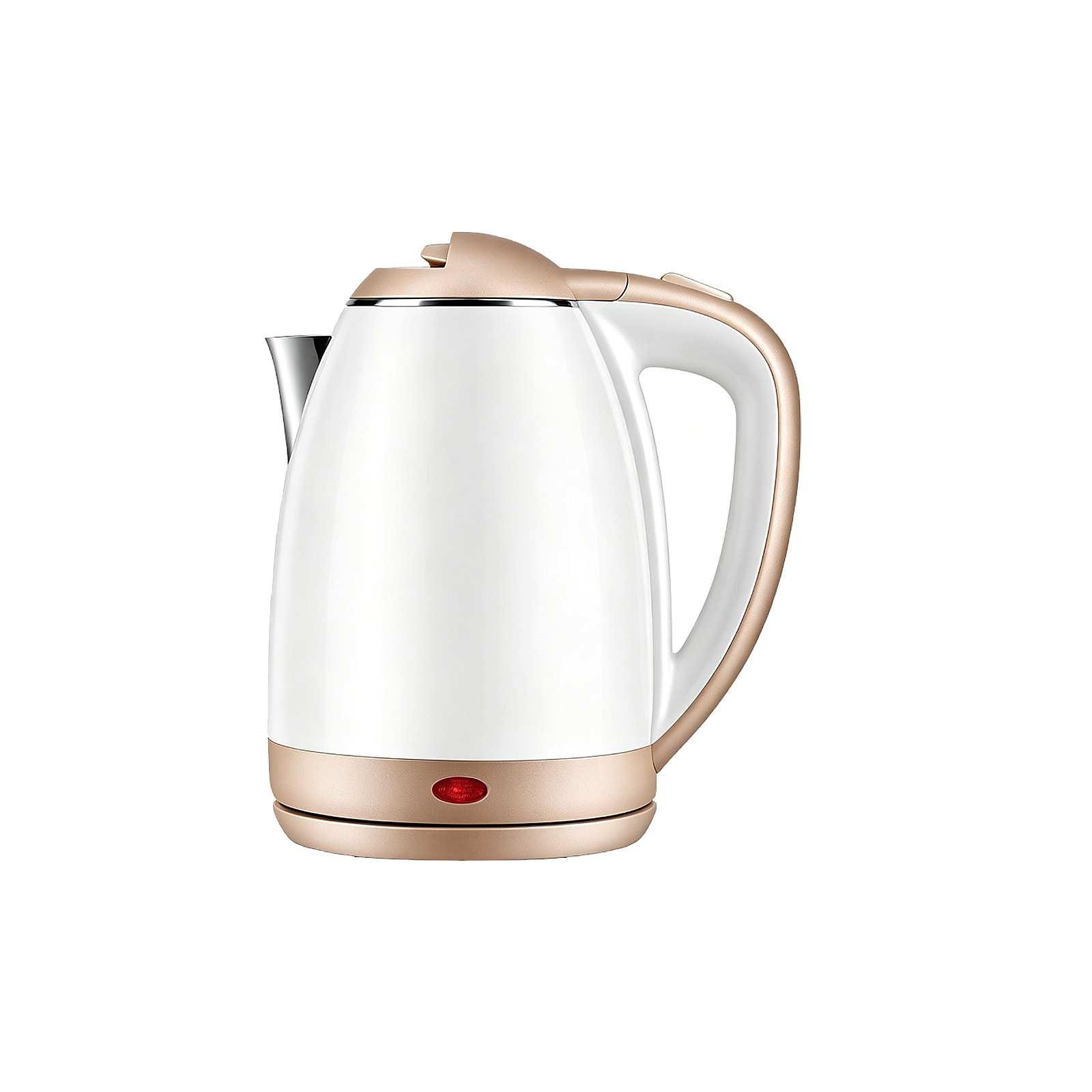
Boil-dry protection should be assessed in accordance with the product design and a safe test procedure, including how the product recovers afterward. Whether consumers understand the restart process affects service enquiries. On models with keep-warm or temperature selection, check that the display, actual operating cycle and user manual agree.
The switch, lid button, handle and base are operated every day. An indistinct button action, a lid that springs open too aggressively, or a handle that does not balance a full kettle can create an impression of poor quality even when heating works.
Pouring tests should cover several water levels. The stream needs to remain controlled, the lid stable when tilted, and the handle positioned away from excessive steam exposure. A visible maximum-fill line helps prevent overfilling. On glass kettles, inspect the joints above and below the body; on stainless-steel models, examine the rim, inner wall and seams for cleanability.
The kettle body should locate easily when returned to the base, and normal rotation or slight movement should not interrupt power. The cord outlet, storage channel and non-slip underside affect daily countertop use. When a service record says “no power,” distinguish the plug, power cord, base contact, switch and thermostat rather than grouping every cause under one fault.
An entry model can use straightforward construction and conventional materials. A core model may improve the lid, double-wall feel, appearance and cleaning, while an upgrade model can add temperature control or keep-warm operation. Every tier needs a purchase reason that consumers can understand directly.
If several models differ only in decorative patterns, wholesalers inherit more carton codes, colours and residual stock without gaining a new price position. Clear distinctions in capacity, material and use case allow a smaller range to serve household, office or gift demand more effectively.