Air Cooler Sourcing for Kazakhstan
Dry, ventilated environments allow evaporation to create a more noticeable cooling sensation. High humidity or closed rooms limit the effect. Pages that promote cool air without explaining ventilation, water filling and pad maintenance encourage customers to expect air-conditioning performance and create avoidable dissatisfaction.
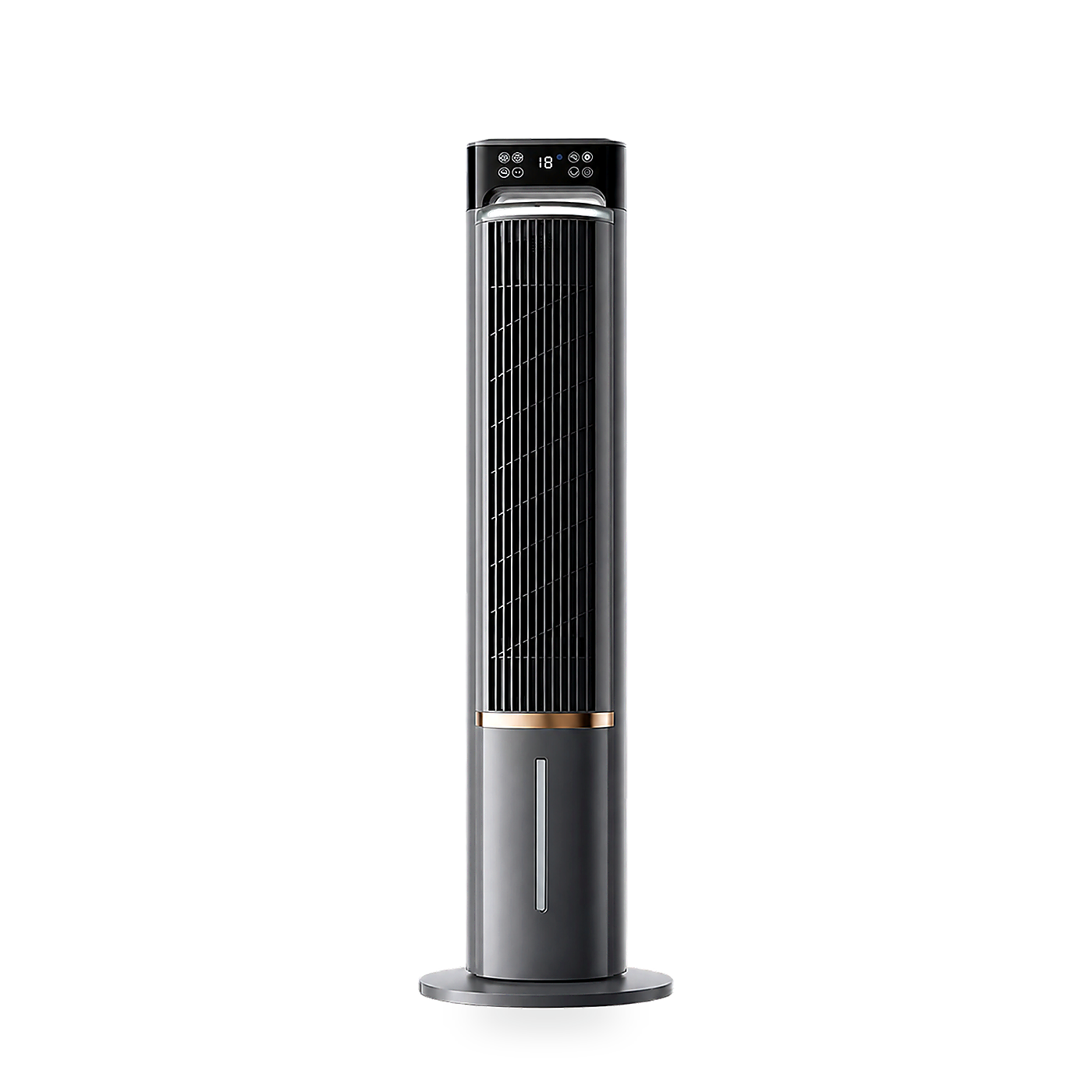
Household buyers often value size, sound, mobility and night controls. Shops, terraces, workshops and larger open spaces may prioritise air throw, tank operating time, filling and maintenance efficiency. One model rarely combines bedroom-level discretion with strong large-space airflow, so channel positioning should come before feature accumulation.
Catalogue airflow figures are comparable only under a common test method. Outlet area, impeller or blade design, filter resistance, pad thickness and internal ducting all affect delivery. Higher speed can strengthen the sensation but also increase sound and vibration.
Test samples in both dry-fan and wet-pad modes because starting the pump changes resistance, sound and outlet conditions. Speeds should form a useful progression and the louver mechanism should cover the intended area smoothly after sustained use. Ice packs and ice-fill suggestions should be assessed for practical effect as well as cleaning and customer-support burden.
Water-system issues dominate many cooler complaints. Capacity changes refill frequency, but a larger tank also increases full weight, mobility difficulty and cleaning area. A removable tank improves access but needs dependable guides, locking and sealing. A fixed tank can be compact while creating inaccessible corners.
Assess the level window, low-water indication, drain and top-fill arrangement as one operating sequence. Fill, move, run, drain and clean the sample. Observe spillage, debris reaching the pump and whether residual water can be removed before storage.
A short power-on test finds only basic faults. A more useful review moves the empty unit, fills it to a normal level, checks casters and stability, runs every speed, louver and pump combination, inspects for leakage after stopping, drains and removes cleanable parts, and operates the reassembled product again.
This cycle exposes problems hidden by a catalogue: difficult steering when full, an awkward drain plug, pump sound that dominates at night, a pad frame that is difficult to remove, or a tank that looks inserted but has not seated fully.
Air coolers are bulky, and their form and packaging have a strong effect on loading. Casters, outlet grilles, tanks and top controls are common pressure points. Packing should restrain the unit without applying continuous force to weak plastic areas.
Compare quotations with retail- and master-carton dimensions, gross and net weight, carton quantity and expected loading. A low unit price can produce poor landed cost when package volume is excessive. Removable casters or accessories may save space but add installation steps, so evaluate the complete customer experience.