Electric Heater Sourcing for Kazakhstan
Fan heaters start quickly and are compact, but fan sound and continuous airflow affect the experience. Natural-convection units feel steadier but depend on room conditions. Oil-filled models are larger and heavier, increasing handling and storage cost while offering a different experience. Radiant products provide directional heat, making distance and guarding especially important.
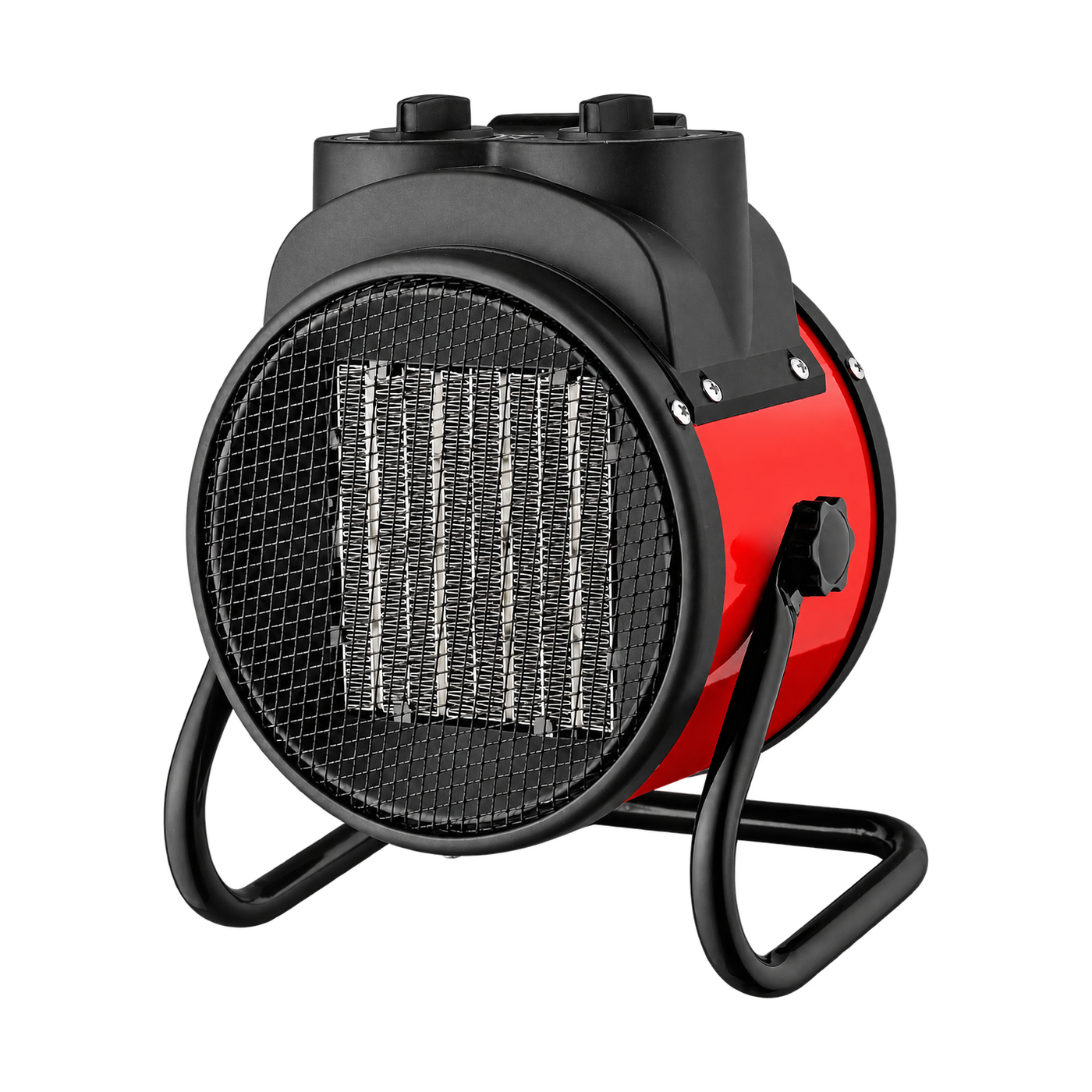
State whether the product supports short bursts of heat, longer supplementary heating or a relatively fixed space. A broad “large area” claim is unreliable because insulation, ceiling height, outside temperature and doors and windows all change performance.
Tip-over cut-off, over-temperature protection, thermostats, appropriate materials, guards and cable restraint address different risks. A feature list saying “with protection” is insufficient; understand where each device sits, when it operates and how it resets.
Observe how a portable heater stops after tipping and whether it restarts automatically when upright. Test whether temperature controls respond to blocked inlet or outlet conditions, whether accessible controls, handles and housing areas remain suitable, and whether the power cord stays away from sustained heat.
Do more than operate a heater for several minutes in a meeting room. Simulate unpacking, assembly, low and high operation, thermostat cycling, movement, switch-off and cooling, recording sound, odour, housing condition and control experience.
Before running, verify rated voltage, frequency, power, plug and cord. During use, observe stable setting changes, understandable thermostat action and protection under relevant obstruction or tip-over conditions. After switch-off, assess cooling, cable storage and restart.
Grilles, controls, casters, brackets and heating assemblies carry different transport risks. Lightweight fan heaters need protection from housing and outlet pressure, while oil-filled models place sustained loads on inserts, casters and carton bottoms.
Where users install casters or bases, provide accurate part and sequence illustrations. Similar but non-interchangeable brackets, near-identical screws or missing tools create first-use failures. Carton orientation and storage markings must fit the structure.