Electric Fan Sourcing for Kazakhstan
Begin with entry, core and differentiated models. Entry products create a competitive opening price through simple, durable configurations and controlled package volume. Core models carry most sales and need convincing airflow, base stability, controls and broadly accepted appearance. Differentiated models may add remote control, timers, extra speeds or distinctive design, but quantity must reflect real channel demand.
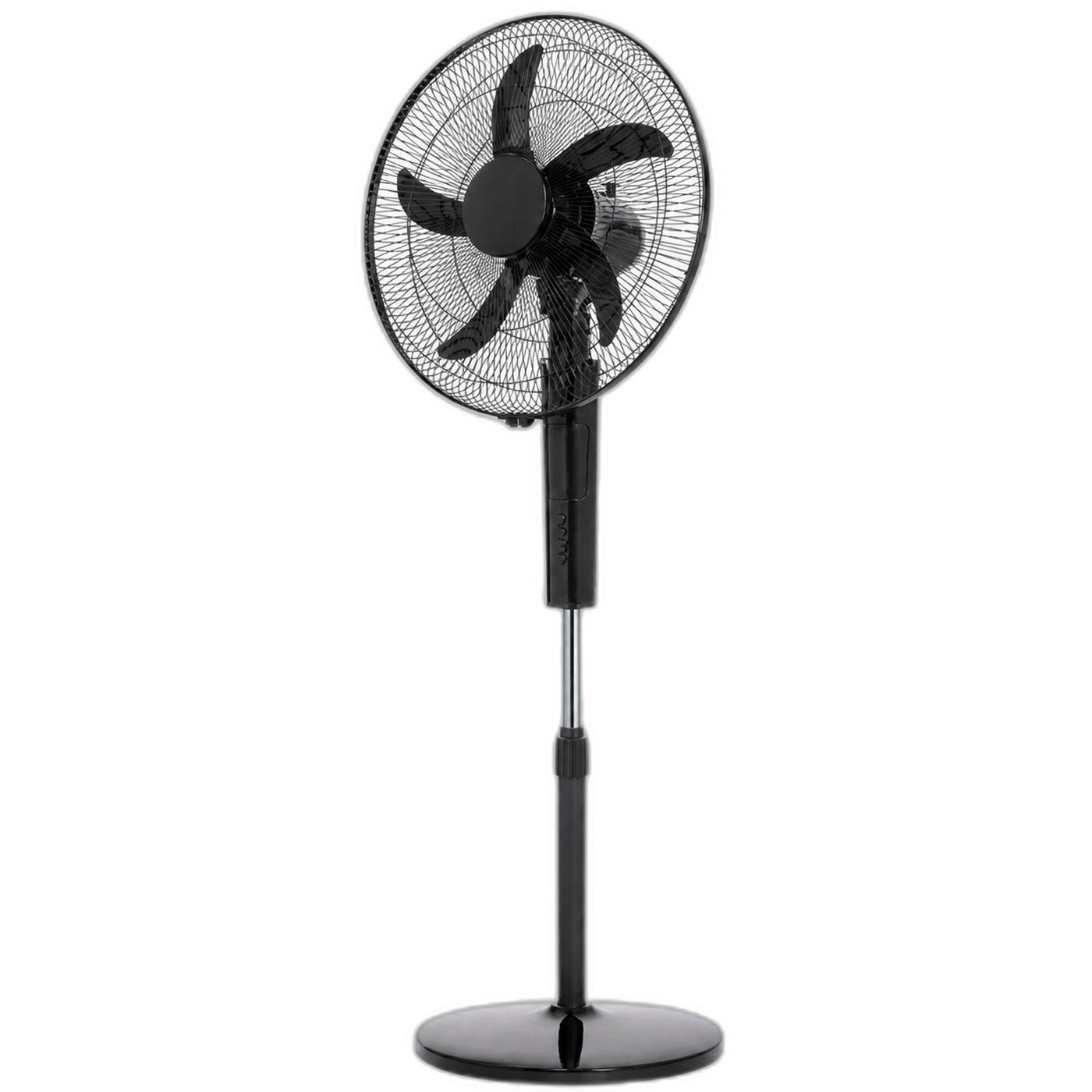
This method is more useful than choosing by blade diameter or colour alone. Two similar pedestal fans aimed at the same price band divide inventory if their functions barely differ. A table fan, pedestal fan and transport-efficient knock-down model may look different yet cover clearly separated use cases.
Rated power, speed count and blade diameter are easy to compare, but users experience throw, air character, sound and stability. These result from the motor, blades, guard, airflow path and structure together and cannot be inferred from one figure.
Assess samples in a realistic room. Each speed should create a perceptible change; the lowest speed should be useful, while the highest requires sustained checks for heat, vibration and abnormal sound. Oscillation should suit the product position without pauses, friction or a drooping head.
Fan volume makes packaging a major part of landed cost. Packing the base, column, guard and blade separately can reduce retail-box size, but shifts assembly to customers or retailers. Freight efficiency and installation experience must therefore be judged together.
Too many steps, unclear orientation, mixed fasteners or inaccurate drawings turn into returns and support calls. During sampling, ask someone unfamiliar with the product to assemble it only from the manual and record time and errors. If tools are required, define whether they are included and their specification.
A fan inspection cannot stop at switching on the product. First-piece and process checks should cover motor-and-blade fit, guard concentricity, cable restraint, speed control, oscillation and fasteners. Final sampling can then confirm operation, appearance, accessories, packing and labels.
A deformed blade, off-centre guard or poor assembly may produce friction and vibration. Poor column-to-base fit creates movement. Incorrect cable restraint near a moving point can cause repeated stress. When one such defect appears, trace the production period and related material rather than replacing the sampled unit only.